 Skip to main content
Resources Blog
Moving & Storage Starts Here
What Size Moving Container Do I Need for a 3-Bedroom Home?
July 18, 2026
What Size Moving Container Do I Need for a 3-Bedroom Home?
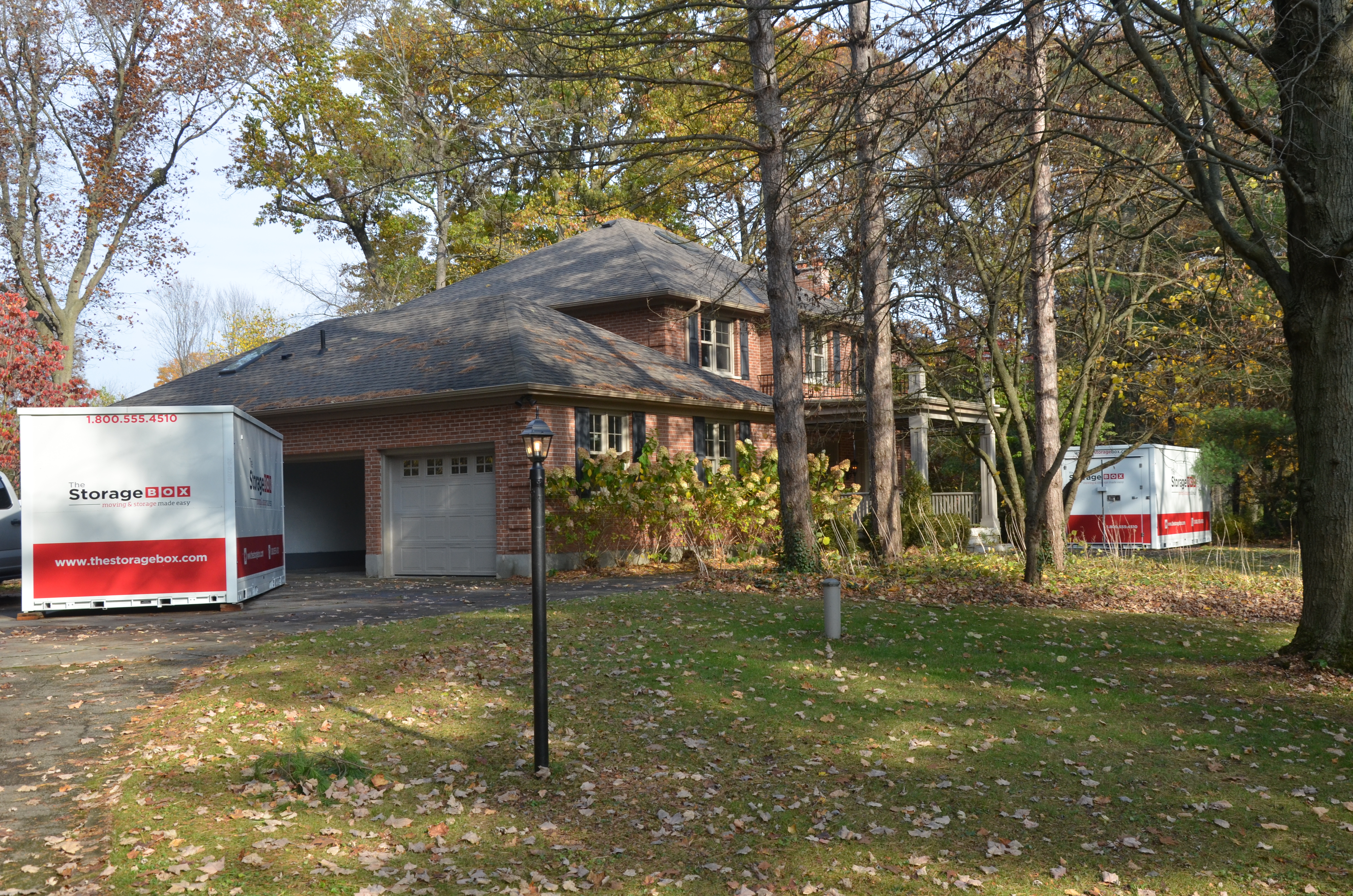
Great question! For most standard 3-bedroom homes, a 20-foot Storage Box is the recommended moving-container size.
A 20-foot moving container provides approximately 1,250 cubic feet of storage space and is designed to accommodate the furnishings from three bedrooms along with common living areas.
A typical 20-foot Storage Box may hold:
- Three bedroom sets.
- Living-room furniture.
- A dining-room table and chairs.
- Desks and home-office furniture.
- Major appliances.
- Patio furniture.
- Bicycles and outdoor equipment.
- Approximately 40 to 60 moving boxes.
A 20-foot container is generally suitable for a standard 3-bedroom home when the belongings are carefully organized and efficiently loaded. But many modern homes have multiple living spaces with large seating areas that may require multiple containers.
Quick Answer: What Size Moving Container Do I Need?
For most household moves, use the following moving-container sizing guide:
|
Home Size |
Recommended Moving Container |
|
Small 1-bedroom apartment |
8-foot or 12-foot container |
|
Lightly furnished 2-bedroom apartment |
12-foot container |
|
Standard furnished 2-bedroom home |
16-foot container |
|
Large 2-bedroom home |
16-foot or 20-foot container |
|
Standard 3-bedroom home |
20-foot container |
|
Large 3-bedroom home |
One 20-foot container plus additional space if needed |
|
Standard 4-bedroom home |
Multiple containers |
|
Large 4-bedroom home |
A combination of 20-foot and 16-foot containers |
When choosing between two sizes, it is generally better to allow some additional room rather than risk discovering that your belongings will not fit on moving day.
However, the container should still be loaded tightly and securely. Excess empty space can allow furniture and boxes to shift during transportation.
When Will One 20-Foot Container Fit a 3-Bedroom Home?
One 20-foot Storage Box is most likely to be sufficient when:
- The home has three normally furnished bedrooms.
- The household does not have excessive basement or garage contents.
- Large furniture can be disassembled.
- There is a standard amount of living-room and dining-room furniture.
- The household has approximately 40 to 60 boxes.
- The container is loaded from floor to ceiling.
Loading efficiency is especially important when packing a 3-bedroom home into one container. Bed frames, tables, shelving, and removable furniture legs should be disassembled whenever possible.
When Might a 3-Bedroom Home Need More Than One Container?
Additional container space may be required when the home includes:
- A heavily furnished basement.
- A full garage or workshop.
- A large outdoor shed.
- Multiple home offices.
- Oversized bedroom furniture.
- Several sectional sofas or entertainment units.
- Exercise equipment.
- Large tool chests.
- Extensive seasonal belongings.
- More than approximately 60 moving boxes.
In these cases, a 20-foot Storage Box may be combined with a smaller container rather than forcing everything into one overcrowded space.
What Size Moving Container Do I Need for a 4-Bedroom Home?
A 4-bedroom home will usually require multiple moving containers.
The exact combination will depend on the home’s furnishings, square footage, basement, garage, outdoor storage, and number of packing boxes.
A practical solution is to mix and match container sizes, such as:
- One 20-foot container and one 16-foot container.
- Two 20-foot containers.
- One 20-foot container and one 12-foot container for a more lightly furnished home.
For many standard 4-bedroom homes, a combination of one 20-foot and one 16-foot Storage Box provides useful flexibility. The larger container can hold the main household furniture, while the second container can be used for boxes, garage contents, outdoor items, appliances, or belongings that need to be accessed separately.
Why Are Multiple Containers Recommended for a 4-Bedroom Home?
Four-bedroom homes usually contain more than bedroom furniture. They often include:
- Multiple living or family rooms.
- Large dining-room sets.
- Home-office furniture.
- Basement contents.
- Garage tools and equipment.
- Patio furniture.
- Seasonal decorations.
- Children’s toys and recreational equipment.
- Multiple appliances.
- More than 60 packing boxes.
Using multiple containers can make the move easier to organize and reduce the risk of damaging furniture by packing it too tightly.
Multiple containers can also be delivered, loaded, transported, or stored separately when required.
How Do I Calculate the Right Moving Container Size?
Start by making a room-by-room inventory of everything you intend to move.
Include:
- Beds and mattresses.
- Dressers and wardrobes.
- Sofas and sectionals.
- Dining tables and chairs.
- Desks and office furniture.
- Appliances.
- Patio furniture.
- Bicycles.
- Tool chests.
- Exercise equipment.
- Garage, basement, attic, and shed contents.
- The estimated number of moving boxes.
Pay particular attention to bulky items that cannot easily be stacked. A sectional sofa, king-size mattress, large dresser, china cabinet, workbench, or appliance can take up a significant amount of usable floor space.
Although moving-container heights and widths are generally similar, the container length determines how much additional floor area is available for large furniture.
Does Packing Method Affect the Container Size You Need?
Yes. The way a moving container is packed can significantly affect how much will fit inside.
To maximize the available space:
- Disassemble tables, beds, shelving, and removable furniture legs.
- Place mattresses and other flat items against the walls when safe.
- Use consistent box sizes whenever possible.
- Fill dresser drawers with lightweight, non-fragile belongings.
- Place heavy furniture and boxes on the bottom.
- Load lighter belongings above heavier items.
- Use furniture blankets to protect surfaces.
- Fill the container from floor to ceiling.
- Secure each section to prevent movement.
- Avoid leaving large, unusable gaps between furniture.
Poorly planned loading can cause a container to run out of room even when the calculated capacity should be sufficient.
Should I Choose a Larger Moving Container to Be Safe?
Choosing additional container space may be worthwhile when your estimated inventory is close to the container’s maximum capacity.
A slightly larger container or an additional smaller container may be less costly and stressful than arranging another delivery after discovering that everything does not fit.
Extra space can also make it easier to:
- Protect fragile furniture.
- Load belongings in stable sections.
- Avoid stacking excessively.
- Separate garage or outdoor items.
- Access important belongings more easily.
Any unused space should be properly secured to prevent items from shifting during transportation.
Final Moving Container Size Recommendations
For a lightly furnished 2-bedroom apartment or home, a 12-foot moving container may provide enough space.
For most fully furnished 2-bedroom homes, condos, and apartments, one 16-foot Storage Box is recommended.
For a standard 3-bedroom home, one 20-foot Storage Box is the recommended starting point.
For a 4-bedroom home, plan on using multiple containers, such as one 20-foot container combined with one 16-foot container. Larger or heavily furnished homes may require two 20-foot containers.
Before reserving your moving container, create a complete room-by-room inventory, count your boxes, and measure your largest furniture. The Storage Box team can then help you select the best container size or combination of sizes for your move.
Moving & Storage Starts Here